What is IPL Therapy (Intense Pulsed Light)?
This page is for patient education only and is not intended as medical advice. Individual assessment is required before any treatment, and all decisions about IPL or alternative options should be made during a consultation with a qualified doctor. Suitability, risks, recovery and outcomes vary between patients; no specific result can be guaranteed.

At Alluna Medical, we offer doctor‑led Intense Pulsed Light (IPL) treatment in Hong Kong using the Stellar M22™ system by Lumenis, an established, FDA‑cleared IPL platform with multiple regulatory clearances for specific dermatological indications.
What Is IPL Therapy?
At Alluna Medical, we offer doctor‑led Intense Pulsed Light (IPL) treatment in Hong Kong using the Stellar M22™ system by Lumenis, an established IPL platform that has received US FDA clearance for specific dermatological indications, including defined vascular and pigment‑related features. Regulatory clearance indicates that the device has been evaluated and cleared for particular uses under the relevant framework, but it does not guarantee a particular cosmetic outcome for any individual patient or imply suitability for all patients.
IPL is a non‑invasive, light‑based treatment that uses controlled, broad‑spectrum light to address selected vascular and pigment‑related concerns, aspects of photoaging and, in some protocols, inflammatory acne. At Alluna Medical, each course of IPL is planned after a detailed doctor‑led consultation and is integrated into a broader medical and skin‑health plan rather than used in isolation.
What is Stellar M22™ IPL?
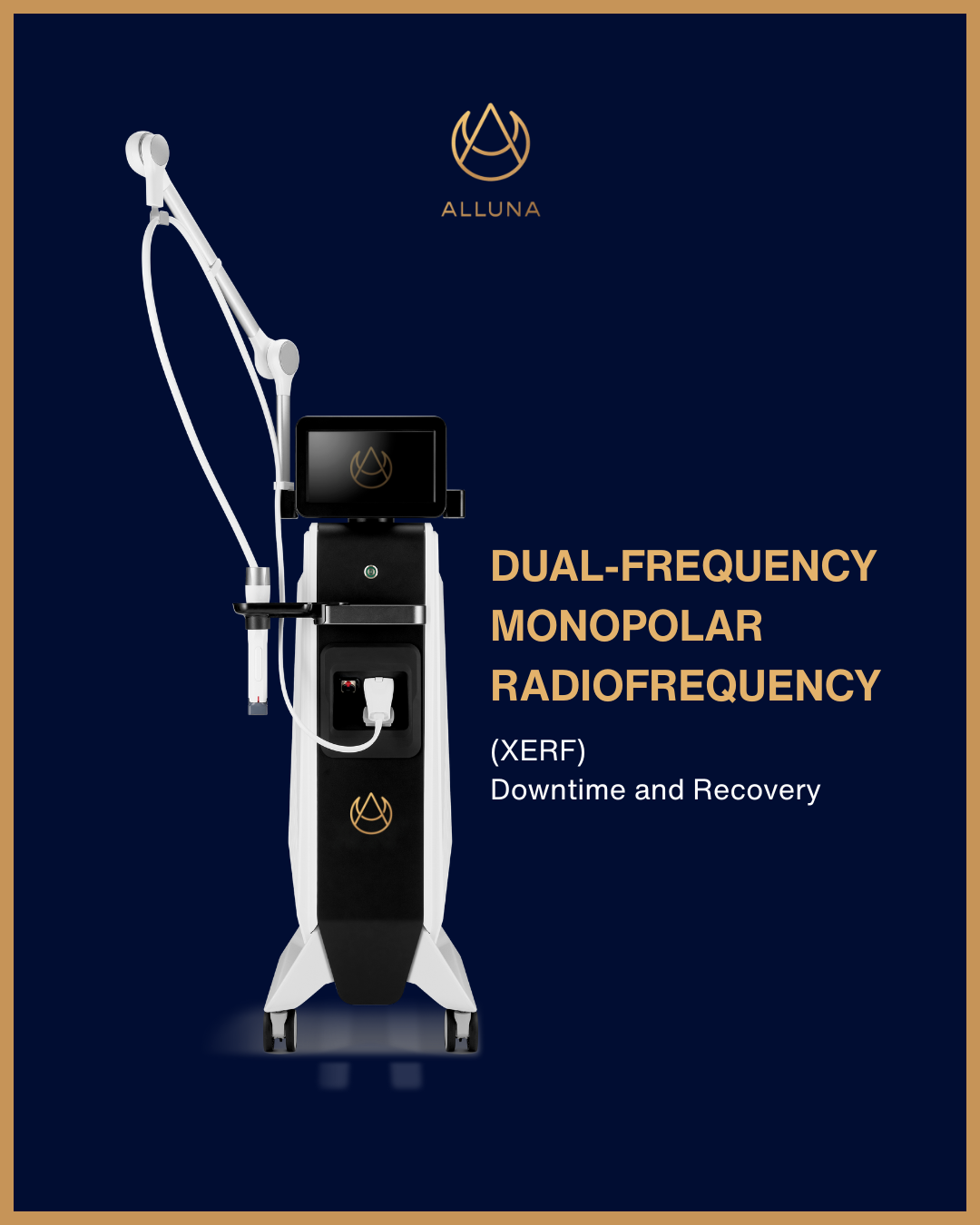
Stellar M22™ is a medical‑grade IPL (Intense Pulsed Light) device that delivers pulses of filtered, broad‑spectrum light to target specific structures in the skin, such as haemoglobin (redness) and melanin (pigmentation). Using interchangeable filters and adjustable parameters, treatment can be customised according to:
Skin type, including Asian skin types and higher Fitzpatrick types where pigmentary risk requires particular caution
Clinical indication (for example, redness, rosacea‑related vascular features, pigmentary lesions, acne PIH or inflammatory acne)
Treatment area and patient comfort
Individual response over a series of sessions
Integrated cooling is used to support comfort and help reduce heat‑related injury risk. Particular care is taken with darker or more reactive skin types to minimise the chance of post‑inflammatory hyperpigmentation or other pigmentary change. In our clinic, parameter selection and treatment intensity are deliberately conservative in higher‑risk skin.
What Can IPL with Stellar M22™ Treat?
In appropriately selected patients, IPL with Stellar M22™ may be considered for:
Vascular concerns
Certain facial telangiectasias (spider veins and small superficial vessels)
Background redness and diffuse facial erythema in selected cases
Rosacea‑related redness and superficial vessels as part of a broader rosacea management plan, particularly when vascular features are prominent
For more on our rosacea approach, you can read our dedicated page: What Is Rosacea and How Is It Managed?
Benign pigmented lesions
Solar lentigines (age spots)
Ephelides (freckles)
Other forms of benign hyperpigmentation, where appropriate
Selected cases of acne‑related post‑inflammatory hyperpigmentation (acne PIH), when integrated with medical acne management or scar subcision plans rather than used alone
In some acne and acne‑scar pathways, IPL may be considered as one component to help address redness and PIH after careful diagnosis. This is often combined with medical management, subcision or other techniques where indicated. To learn more about our acne management approach, you can read our dedicated page: How Do We Treat Acne Scarring with Subcision?
Mild to moderate inflammatory acne
IPL has been used in certain protocols aiming to influence Cutibacterium acnes activity and support improvements in overall skin clarity and texture in selected cases of mild to moderate inflammatory acne. This is usually considered within a broader acne plan rather than as stand‑alone treatment.
Photoaging‑related changes
Mottled pigmentation and sun‑related unevenness
Uneven skin tone
Mild textural irregularities, with modest improvements in overall skin appearance in some patients
Not all conditions or concerns are suitable for IPL, and not all patients will respond in the same way. A personalised consultation is required to determine whether IPL is appropriate for your diagnosis, skin type and treatment goals, and what alternatives—including choosing no aesthetic treatment—may be more suitable.
What Patients Value at Alluna Medical
IPL at Alluna Medical is delivered in a discreet, doctor‑led clinic setting in Hong Kong, with an emphasis on precision, restraint and patient safety.
Doctor‑performed treatment
Stellar M22™ IPL treatments at Alluna Medical are performed by a medical doctor. We do not delegate IPL treatments to non‑medical staff.Individualised protocols
Filter selection, energy settings and pulse parameters are adjusted according to your skin type, indication and observed response over time. Treatment parameters can be refined across sessions to balance safety and effectiveness.Experience with Asian and reactive skin
Particular attention is paid to the risk of pigmentary change and post‑inflammatory hyperpigmentation in patients with darker or Asian skin types, and in those with sensitive or previously injured skin. We use conservative parameter settings and may advise alternative options if IPL is not judged appropriate.Structured treatment plans
Where appropriate, redness, rosacea‑related vascular features, pigmentary concerns and aspects of photoaging can be addressed within a staged, multi‑session plan that also considers medical therapies, skincare and trigger management.Typically short downtime
Many patients experience relatively brief recovery periods, depending on treatment intensity, indication and individual skin reactivity. However, downtime is not zero, and the extent of visible changes immediately after treatment will be discussed during consultation.
Even with careful planning, no light‑based treatment is risk‑free, and IPL will not be suitable for everyone. Suitability, risks, alternatives and expected limitations are evaluated with you during your consultation.
Doctor‑Led IPL vs Therapist‑Led IPL
Intense pulsed light (IPL) is a high‑energy device treatment that interacts with vascular and pigmentary structures in the skin. In Hong Kong, IPL and other energy‑based devices have been recognised as medical devices that can cause significant adverse effects if not used appropriately, especially in darker skin types or in the presence of underlying skin disease. For that reason, the choice of who operates the device and who plans your treatment matters.
At Alluna Medical, IPL with Stellar M22™ is performed exclusively by our Hong Kong‑licensed doctor, not by therapists or sales‑driven staff. This doctor‑led approach means:
Clinical diagnosis before device use
We do not treat “spots” or “redness” in isolation. Your doctor first clarifies whether you are dealing with rosacea, melasma, acne PIH, lentigines, vascular lesions, or another condition. This helps avoid using IPL where it may be unsuitable or risky, and ensures alternative treatments are considered where more appropriate.Anatomy‑ and safety‑based planning
A doctor trained in facial anatomy and medical dermatology can take into account your skin type, history of pigmentary change, scarring tendencies, medications and co‑existing conditions when selecting fluence, pulse duration, filters and treatment areas. This supports appropriate patient selection and conservative energy dosing, particularly in Asian and reactive skin.Integration with medical treatment plans
In our clinic, IPL is rarely used as a stand‑alone “photofacial.” It is integrated into broader management for conditions such as rosacea, acne, acne PIH, photoaging and vascular lesions, alongside topical and oral therapies, skincare and trigger counselling where indicated. This helps ensure that device treatment is part of a thoughtfully structured plan rather than a one‑off cosmetic add‑on.Doctor‑level oversight of risks and complications
High‑energy devices carry risks including burns, post‑inflammatory hyperpigmentation, scarring and flare‑ups of underlying disease. A doctor‑performed approach allows for immediate clinical judgement during treatment, recognition of early warning signs and direct management of any complications, including deciding when to stop or modify treatment.
Patients who choose doctor‑led IPL at Alluna Medical often value this combination of clinical assessment, energy‑based experience and cautious, medically grounded decision‑making. Our priority is not simply to deliver “strong” treatments, but to provide proportionate, evidence‑informed care that respects long‑term skin health and safety.
Your Treatment Journey
1. Consultation and Skin Assessment
Your visit begins with a medical consultation and skin assessment. Your doctor will:
Review your concerns, medical history and medications
Clarify the underlying diagnosis (for example, melasma, rosacea, acne, PIH, vascular lesions, lentigines, or other causes of redness and pigmentation)
Assess your skin type and history of pigmentary change or scarring
Determine whether IPL is appropriate or whether an alternative approach is safer or more effective
2. Treatment Planning
If IPL is suitable, a personalised plan is created:
Selection of filters and pulse configuration based on indication and skin type
Adjustment of fluence (energy) and pulse duration within conservative safety margins
Discussion of realistic expectations, potential risks, limitations and the estimated number of sessions
Consideration of how IPL fits into your overall rosacea, acne, PIH or photoaging plan rather than functioning as a stand‑alone procedure
3. Doctor‑Performed IPL Treatment
IPL treatment is performed by a medical doctor using the Stellar M22™ system in a controlled clinical setting. Protective eyewear is used, and cooling measures may be applied to support comfort and safety. Treatment sessions are typically short, but the exact duration varies by indication and area treated.
4. Aftercare Guidance
You will receive tailored aftercare instructions, which may include:
Sun protection advice and specific sunscreen recommendations
Guidance on cleansers and moisturisers that are compatible with post‑treatment skin
Activities, exposures or products to avoid temporarily to help reduce irritation and pigmentary risk
How IPL fits with any existing skincare or medical treatments you are on
Aftercare & Recovery
Common, short‑term effects after IPL may include:
Mild redness or warmth in the treated area
Transient swelling
Darkening or “peppering” of pigmented spots before they gradually lighten or flake off
Temporary prominence of some vascular areas before improvement
Short periods of mild sensitivity or dryness
These usually settle over several days as the skin renews, although recovery can vary between individuals and depends on settings, indication and baseline reactivity. We generally advise avoiding scheduling treatment immediately before important social events without first discussing expected recovery.
General aftercare measures include:
Regular use of a broad‑spectrum sunscreen on treated areas, as advised
Avoiding picking, scratching or rubbing darkened spots or micro‑crusting
Following the cleansing and moisturising regimen recommended by your doctor
Avoiding excessive heat, intense exercise or irritant skincare products immediately after treatment, where instructed
Your doctor will give specific guidance tailored to your skin type, diagnosis and treatment plan. Any persistent or unexpected symptoms should be brought to our attention promptly.
Who May Not Be Suitable for IPL?
IPL is not appropriate for everyone. Suitability is determined on an individual basis during your medical consultation. Patients who may not be suitable for IPL treatment include, but are not limited to, those with:
Active skin infection, inflammation or open wounds in the proposed treatment area
Recent significant sun exposure, sunburn or very tanned skin affecting the treatment area
History of abnormal wound healing, keloid scarring or certain connective tissue disorders
Use of photosensitising medications or substances that may increase the risk of adverse reactions
Uncontrolled medical conditions (including some autoimmune or systemic diseases) where light‑based treatments may not be advisable
Suspicious, undiagnosed or changing skin lesions that require further medical assessment before any aesthetic procedure
Pregnancy or breastfeeding, where conservative management is often preferred and certain aesthetic procedures may be deferred
History of severe adverse reactions to previous laser or light‑based treatments
In some situations, IPL may be postponed, an alternative treatment may be recommended, or your doctor may advise against any aesthetic intervention. The priority is safety and appropriate medical judgement.
Risks and Limitations of IPL
All medical and aesthetic procedures carry risks, and IPL is no exception. Your doctor will discuss these with you in more detail during consultation, based on your diagnosis and skin type.
Possible risks and side effects, which vary between individuals, may include:
Temporary redness, swelling or discomfort in treated areas
Darkening, lightening or uneven changes in skin pigmentation
Post‑inflammatory hyperpigmentation, particularly in darker or more reactive skin types
Crusting, blistering or superficial skin injury in some cases
Flare‑up or worsening of certain skin conditions, depending on underlying diagnosis
Rarely, scarring or persistent textural change
This is not an exhaustive list; your doctor will explain additional or less common risks relevant to your situation.
Limitations of IPL include:
IPL may not be suitable for all skin types, indications or severities of disease.
Results are often gradual and may require multiple sessions.
Improvements can be subtle and vary widely between patients; complete resolution of a concern is not guaranteed.
Maintenance or combination treatments (for example, with topical therapy, oral medication or other modalities) may be required to sustain or enhance results.
Certain conditions, such as melasma or deeper dermal pigmentation, may respond unpredictably and are often managed with caution or alternative strategies.
Your doctor will outline which outcomes are realistic for your situation, what degree of improvement may be possible, and what alternative options exist—including choosing no aesthetic treatment at all.
Frequently Asked Questions
What skin concerns can IPL address?
Depending on your skin type and diagnosis, IPL with Stellar M22™ may be used to target certain vascular lesions, background redness, rosacea‑related vascular features, selected benign pigmented lesions, acne‑related PIH and mild photoaging‑related changes, and in some protocols, inflammatory acne. Your doctor will advise which of your concerns are appropriate for IPL and which are better managed using other approaches.
How many IPL sessions will I need?
Many patients require a series of sessions, often spaced several weeks apart, to see noticeable change. The number of sessions depends on the indication being treated, skin response, treatment intensity and overall goals. Your plan will be discussed in advance so you can schedule appropriately.
Is IPL painful?
Patients often describe the sensation as a brief, sharp “snap” or warmth on the skin. Cooling and careful parameter adjustment are used to keep treatment tolerable, but experiences differ between individuals. If you are particularly sensitive, this can be factored into your treatment plan.
When will I see changes?
Some improvement in pigmentation or redness may be visible after the first few sessions, with progressive changes over subsequent treatments. The degree and timing of improvement vary between patients and depend on indication, baseline severity and adherence to aftercare.
Can IPL be used for rosacea and acne?
IPL can be considered in selected cases of rosacea‑related redness and superficial vessels as part of a broader rosacea management plan, and in certain mild to moderate inflammatory acne and acne‑PIH patterns. Suitability depends on your skin type, clinical presentation and any co‑existing conditions, and is always evaluated in the context of your overall medical and skincare plan.
Is there downtime?
Most patients experience short downtime, typically involving temporary redness, mild swelling or darkening of pigmented areas that fade over days. Your doctor will discuss what to expect in your case, and any activities or events that may need to be scheduled around treatment.
Is Stellar M22™ IPL right for you?
Stellar M22™ IPL may be an option for patients with concerns such as facial redness, rosacea‑related vascular features, selected vascular or pigmented lesions, acne‑related PIH, mild photoaging changes or unwanted hair, provided they are suitable candidates based on skin type, diagnosis and medical assessment.
During your consultation at Alluna Medical in Hong Kong, our doctor will:
Evaluate your skin, medical history and current treatments
Discuss potential benefits, limitations and risks of IPL in the context of your diagnosis
Advise whether IPL, an alternative treatment or no aesthetic procedure is most appropriate for your needs at this time
Speak with us
To explore whether IPL with Stellar M22™ is suitable for you, you may book a doctor‑led consultation at Alluna Medical. This allows time for detailed assessment, discussion of options and careful planning around your schedule, lifestyle and longer‑term skin‑health goals.
⚠️ Disclaimer: This page is for educational purposes only and does not constitute medical advice. Individual assessment by a qualified medical professional is required before any treatment. Suitability, outcomes, risks, and recovery vary between patients and cannot be guaranteed.